Every electricity system has a rhythm, and for most of the last century the hardest part of that rhythm was the evening. Demand climbs as people come home, workplaces power down and lights come on. The system has to meet that climb with generation that can start quickly and stop just as fast. For decades, that meant gas peaking plants, expensive and rarely used, built for a few hours a day.
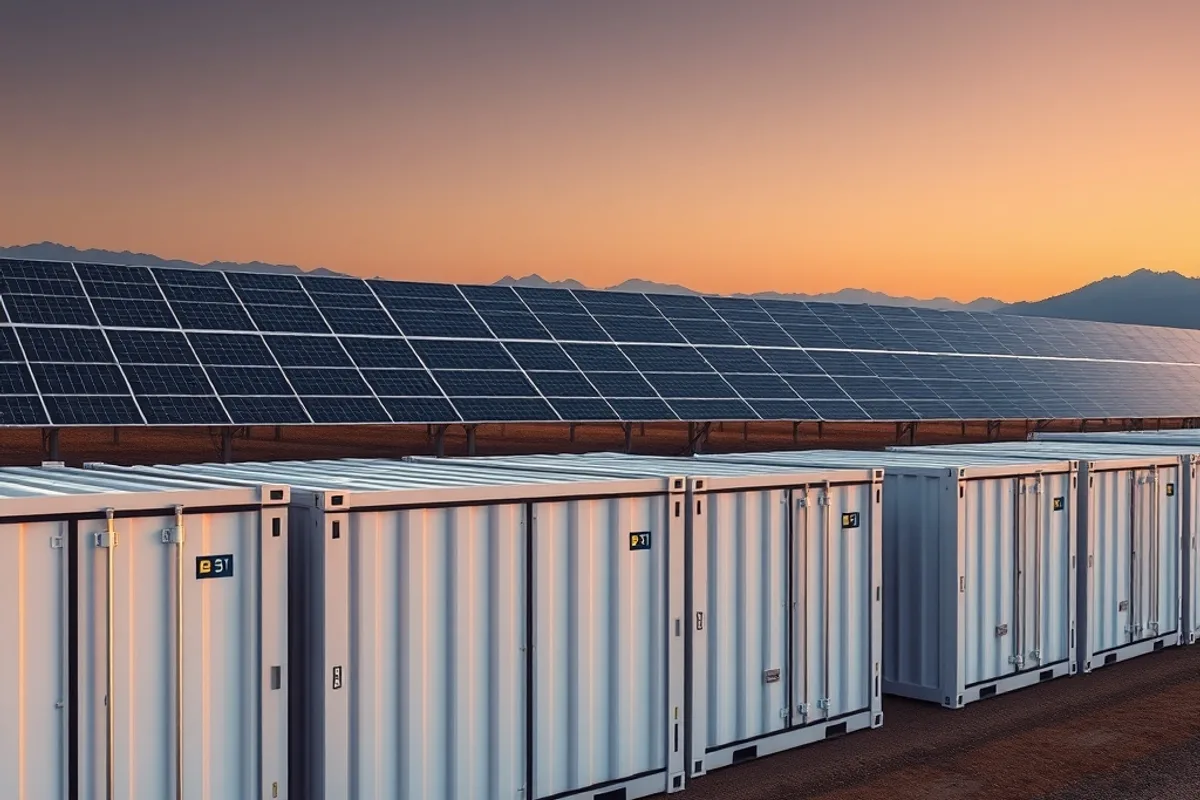
Batteries have changed the shape of the problem. A grid-scale battery can absorb cheap midday power and release it into the evening peak in milliseconds. It emits nothing at the point of discharge. It can be built in months. And it has turned a technical headache into a market, with prices, bids and strategies that now shape what everyone else pays.
The evening peak problem
The peak is not just about total energy. It is about the steepness of the ramp. A system can have plenty of generation over a day and still struggle at 7pm if the right kind of generation is not available. The old solution was to keep fast-start plants idle and pay them for readiness. The new solution is to store energy when it is cheap and move it a few hours later.
That sounds simple, and in principle it is. The complexity is in the details: how much storage is enough, where it should sit on the network, and who pays for the capacity when it is not being used.
What batteries actually do
Grid batteries perform several jobs, often at once. They shift energy from midday to evening. They provide frequency response, smoothing second-by-second imbalances between supply and demand. They relieve congestion on specific wires. And they can provide backup for substations during outages.
The revenue stack matters because a battery that only shifts energy has a thin business case in many markets. A battery that also sells frequency response, capacity and network services can stack several income streams on the same asset. This is why the economics flipped so quickly: the technology got cheaper, and the markets got better at paying for multiple services.
| Service | Duration needed | Value driver | Typical buyer |
|---|---|---|---|
| Energy shifting | 2-4 hours | Price spread between midday and evening | Energy trader |
| Frequency response | Seconds to minutes | System stability | Grid operator |
| Capacity adequacy | 1-4 hours | Firm capacity at peak | Market operator |
| Network deferral | 2-6 hours | Avoided substation upgrade | Distribution network |
| Backup | 1-8 hours | Resilience for critical sites | Commercial customer |
The economics flipped
Two curves crossed. The cost of lithium-ion systems fell sharply as manufacturing scaled, and the value of flexibility rose as renewable generation grew. A grid with a lot of solar has very cheap midday power and a sharp evening ramp. That is exactly the shape a battery is built to arbitrage.
The result is a construction boom in markets with the right rules. Batteries are now the fastest-growing source of new capacity in several grids, outpacing new gas plants and sometimes new wind. The projects are modular, financeable and quick to deploy, which makes them attractive to investors who are tired of decade-long infrastructure timelines.

The interconnection queue
The bottleneck has moved from the battery to the connection. In many regions, the queue for a grid connection is years long, and the process was designed for large central plants rather than small modular assets. A project can have land, finance and equipment and still wait for a study that determines whether the local network can accept the power.
Reform is underway in several markets, with faster processing for ready projects and stricter rules to remove speculative applications. The pace of reform now matters more to deployment than the cost of cells.
The local objection
Battery sites are quieter than gas plants and cleaner at the point of operation, but they are not invisible. They need land, fencing, cooling and fire safety planning. Communities near proposed sites ask reasonable questions about fire risk, visual impact and who benefits from the project.
The industry's early answers were poor. A container fire, even a contained one, makes headlines and erodes trust. Better designs, clearer safety standards and honest community engagement have improved the record, but the issue has not disappeared. Any serious plan for storage has to treat local consent as a real constraint, not a public-relations afterthought.
What it means for emissions
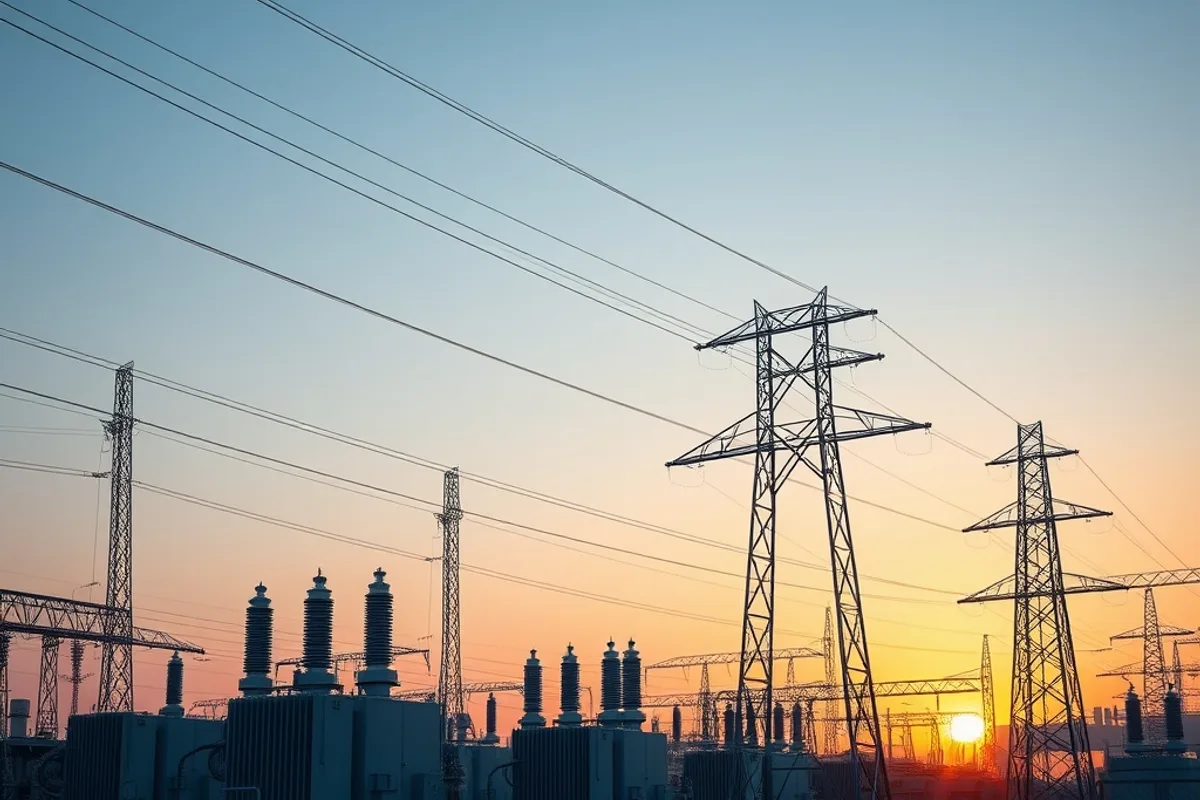
Batteries reduce emissions by displacing the most expensive and often dirtiest generation at peak. The size of the effect depends on what they charge from. A battery charged by excess solar displaces gas. A battery charged by coal at night may not reduce emissions much at all.
This is why market design matters. If the rules reward charging when clean power is abundant, storage accelerates decarbonisation. If they reward charging whenever power is cheapest, the result can be more complicated. The battery is a tool; the outcome depends on the signal it responds to.
Storage does not generate clean electricity. It moves it. Whether that helps depends on when you charge.

The household half of the peak
Grid batteries are only part of the story. Household demand is the other half. Heat pumps, electric vehicles and air conditioning are making homes more electricity-intensive, and their timing is flexible in ways that old demand was not. A smart charger can wait. A heat pump can pre-heat. A home battery can shave the evening draw.
Aggregated, those small decisions add up to a virtual power plant. Several markets now pay households to shift or reduce demand at peak, and the results are promising. The barrier is not technology but trust and simplicity: people will participate if the offer is clear and the effort is minimal.
What to watch next
- Duration. Most new batteries are two to four hours. Longer durations are needed for windless, cloudy weeks, and the technology for that is still expensive.
- Supply chains. Cell manufacturing is concentrated, and trade policy can change project economics quickly.
- Market reform. Faster interconnection and better price signals will matter more than another cost reduction.
- Safety standards. Clear, enforced rules are the price of public trust.
- Household flexibility. The cheapest new capacity may be the demand you do not need to serve.

The evening peak is no longer the unsolvable problem it was. It is a market with participants, rules and prices. That is progress, and it comes with a new set of questions: who owns the flexibility, who captures the value and whether the system is being built for the cheapest kilowatt-hour or the most reliable evening. The answers will shape the next decade of the grid more than any single technology.