Every few years the music industry rediscovers a format it had written off, and every few years the rediscovery is treated as a mystery. Vinyl is the clearest case. It was supposed to be a niche for collectors, then a nostalgia bubble, then a pandemic hobby. Instead it has become a durable part of the business, and the interesting question is no longer whether it will last but what it is actually for.
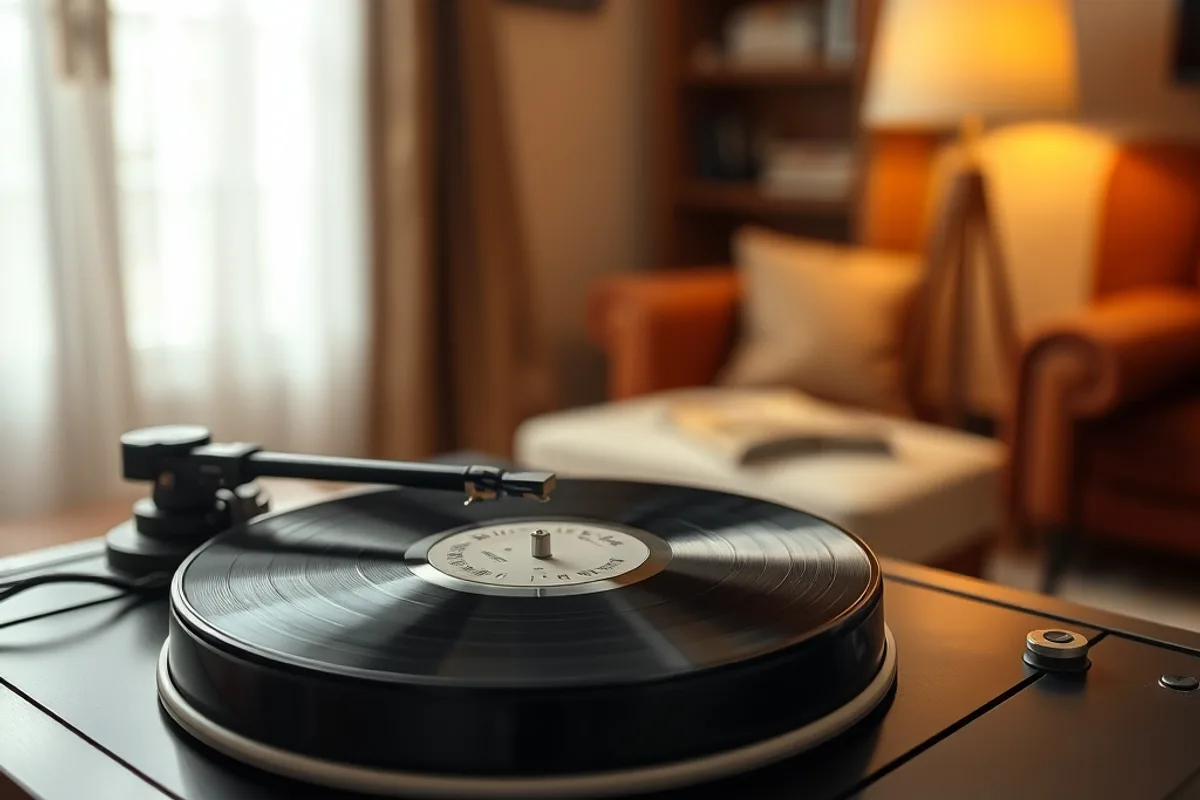
The answer is not sound quality, although enthusiasts will make that argument. It is not convenience, which vinyl loses on every measure. The answer is closer to attention: a record is a bounded object that asks you to listen to a side, in order, without an algorithm deciding what comes next.
The number that surprised the industry
For the first time in decades, physical music revenue has been growing faster than streaming revenue in several markets. The absolute numbers are still small compared with streaming, and the growth is concentrated in a narrow band of releases. But the direction is clear, and it has changed how labels plan a campaign.
A vinyl edition is no longer an afterthought pressed for superfans. It is a pre-order product, a tour-merch item and a chart strategy. Artists announce coloured variants, signed sleeves and deluxe editions months before release, because the physical run is now part of how a record is financed.
Why physical survived
Three forces keep the format alive. The first is tangible ownership in a digital economy that has made almost everything a rental. The second is ritual: the act of playing a record is slower and more deliberate than tapping a screen, and that slowness is the point. The third is social: a shelf of records says something about taste in a way that a playlist rarely does.
None of these forces require the music to sound better. They require the object to be meaningful. That is why a poorly pressed record with a beautiful sleeve can still sell, and why a technically perfect reissue with no story often does not.
The economics of a pressing plant
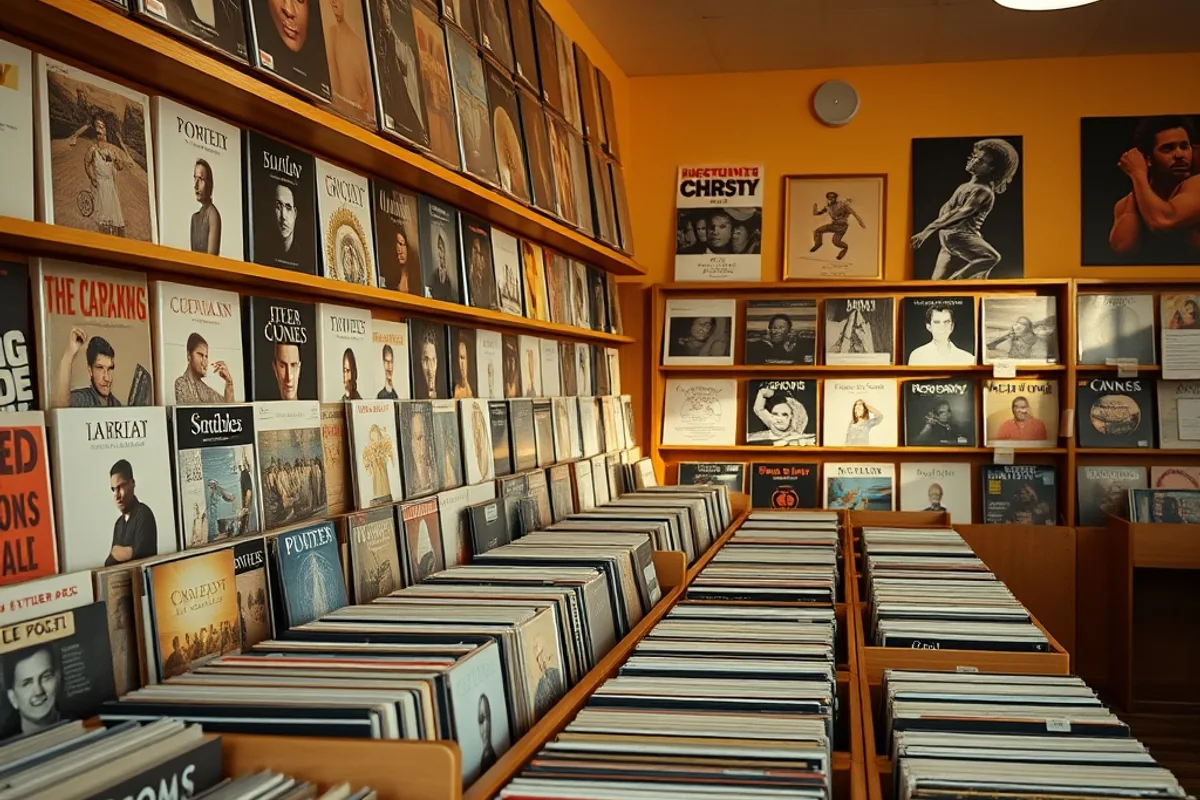
The supply side explains much of the revival's shape. Pressing capacity is expensive, slow to add and geographically concentrated. A new plant needs machines, skilled operators and a building with the right acoustics and ventilation. Lead times that were weeks before the boom stretched to months, and smaller labels learned to plan releases a year ahead.
| Cost centre | Why it matters | Effect on the revival |
|---|---|---|
| Pressing machines | Specialist equipment, long lead time | Caps how fast supply can grow |
| Vinyl compound | Commodity price and limited suppliers | Raises minimum viable run |
| Sleeve printing | Short runs are expensive | Favours deluxe editions |
| Labour | Skilled, hard to train quickly | Limits plant expansion |
| Distribution | Heavy, fragile, costly to ship | Favours local pressing and local shops |
This is why the revival has been good for established plants and difficult for small artists. A run of 300 records is expensive per unit. A run of 3,000 is affordable but risky. The artists who succeed treat the physical release as a pre-sold product, not a speculative inventory bet.
What artists get
For a mid-sized artist, a vinyl edition can be one of the few parts of the business with a visible margin. Streaming pays fractions of a cent per play. A record sold at a show or through a direct store returns a meaningful amount per unit, and it strengthens the relationship with the audience.
That relationship is the real asset. A record is a reason to join a mailing list, a reason to buy a ticket, a reason to return to a shop. The format is a channel as much as a product, and the artists who use it well treat it that way.
The listening ritual
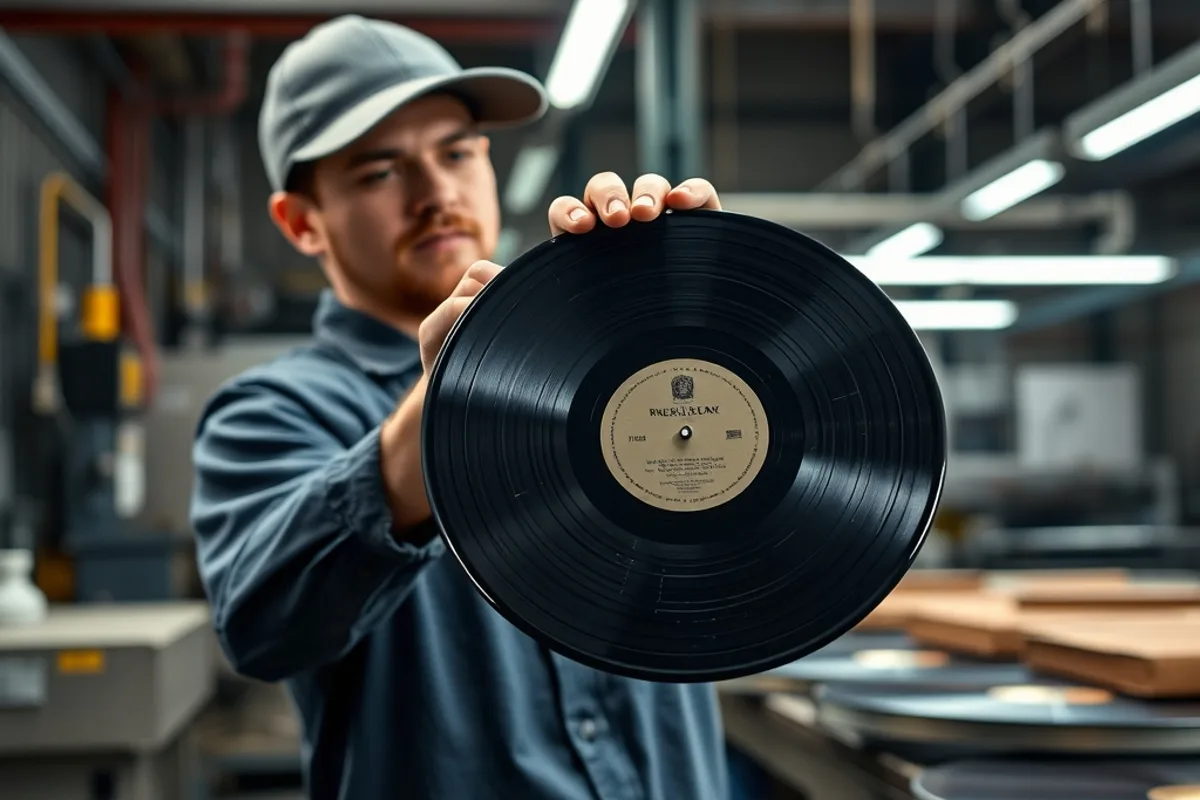
There is a reason vinyl listening feels different, and it is not entirely romantic. A record side is roughly twenty minutes. That constraint creates a shape: an opener, a closer, a pause. Albums made for vinyl are written with that shape in mind, and the best ones use the limitation as a structural device.
Streaming removed the constraint, and something was lost with it. When every song is a potential first song, the album becomes a playlist. When side breaks disappear, so do the interludes, the long closers and the deliberate sequencing that made an album feel like a work rather than a collection.
The revival is not really about vinyl. It is about the return of an ending.
The limits of the revival
It would be easy to overstate all this. Vinyl remains a minority format, and many buyers do not own a working turntable. The growth is concentrated in rock, pop and reissues, and it depends on a demographic that is willing to pay a premium for an object. A recession would test it.
There is also an environmental cost. Vinyl is heavy, made from petrochemicals and shipped long distances. The industry has started to talk about recycled compounds and lighter pressings, but the format is not about to become low-impact. Any honest account of the revival has to include that.
What happens next
The most likely future is not a return to the 1970s. It is a stable niche with a healthy premium, coexisting with streaming rather than replacing it. Labels will keep pressing records because the economics work for certain releases. Artists will keep using them because they build a relationship. Listeners will keep buying them because the object asks for attention in a way that a feed does not.
That is a modest outcome, and it is probably the right one. The album does not need to win. It only needs to remain a place where a body of work can exist as a whole, with a beginning, a middle and a side break. In a culture built on infinite scroll, that is worth paying for.