Ask an economist how inflation is going and you will get a number. Ask a household and you will get a list: the rent renewal, the insurance quote, the swimming lesson that went up again, the coffee that quietly lost ten percent of its volume. The headline rate has come down from its peak. The level has not. That distinction is the whole story of the past two years, and it is why so many families feel worse than the data says they should.

The gap matters because it changes behaviour. When prices rise quickly and then stop rising as quickly, the shock fades but the new baseline remains. A budget that was comfortable in 2019 is not automatically comfortable now, even if the rate of increase is back to normal. Households are not comparing this month to last month. They are comparing this life to the one they planned for.
The headline rate is not the household rate
Official inflation measures an average basket bought by an average household. No household is average. A renter with two children and a commute has a very different basket from a mortgage-free retiree who owns a car and travels twice a year. When food and energy spike, the first household feels it immediately. When used-car prices fall, the second benefits more.
This is not a flaw in the statistics. It is a limitation. The index is a useful compass, not a personal bill. Anyone trying to understand their own finances should build a simple household index: list the ten largest monthly costs, track the actual amounts for twelve months, and compare the total to income. Most people discover that two or three categories explain nearly all of the change.
Where the money actually moved
Across the households we looked at for this piece, the pattern was consistent. The categories that rose fastest were not the ones people complained about most. Coffee and streaming subscriptions are visible and annoying. Housing, insurance, childcare and transport are larger and quieter.
| Category | Typical share of budget | What changed since 2019 | Household experience |
|---|---|---|---|
| Housing | 25-35% | Rents reset at renewal; mortgage payments repriced for recent buyers | The single largest and least negotiable increase |
| Food at home | 10-14% | Up sharply, then flat; package sizes shrank | Visible weekly, easy to compare, hard to avoid |
| Insurance | 4-7% | Home and motor premiums climbed faster than the index | Annual renewal shock, often auto-renewed |
| Childcare | 8-20% (with children) | Wages and ratios pushed fees up | Can exceed a second income, forcing work choices |
| Transport | 8-12% | Fuel volatile; repairs and tyres up | Older cars cost more to keep on the road |
| Subscriptions | 1-3% | Price rises and new tiers | Small individually, large in aggregate |
Read that table as a map of leverage. Housing is hard to change quickly. Food is flexible but only at the edges. Insurance is renegotiable once a year and almost nobody does it. The most useful financial move for a stretched household is usually not a dramatic lifestyle change but a systematic review of the renewals nobody looks at.
The subscription layer
Subscription inflation is the most discussed and least consequential part of the squeeze, which is exactly why it is worth understanding. A household with six services at an average of twelve dollars a month is spending about seventy-two dollars. If each service raises prices by fifteen percent, the increase is roughly eleven dollars a month. Real, but not the reason the budget broke.
The damage is psychological as much as financial. Subscriptions normalise automatic spending. Once five recurring charges are invisible, the sixth and seventh feel free. A quarterly audit, not a permanent purge, is the sustainable fix: export the card statement, list every recurring charge, and cancel anything that was not used since the last audit.

One more effect: subscriptions have replaced ownership in ways that are hard to reverse. Software, music, storage, fitness and even car features now arrive as rentals. That is convenient until a price rise arrives with no alternative. Keeping at least one version of an essential tool that you own outright is a small hedge against future repricing.
Housing is the slow squeeze
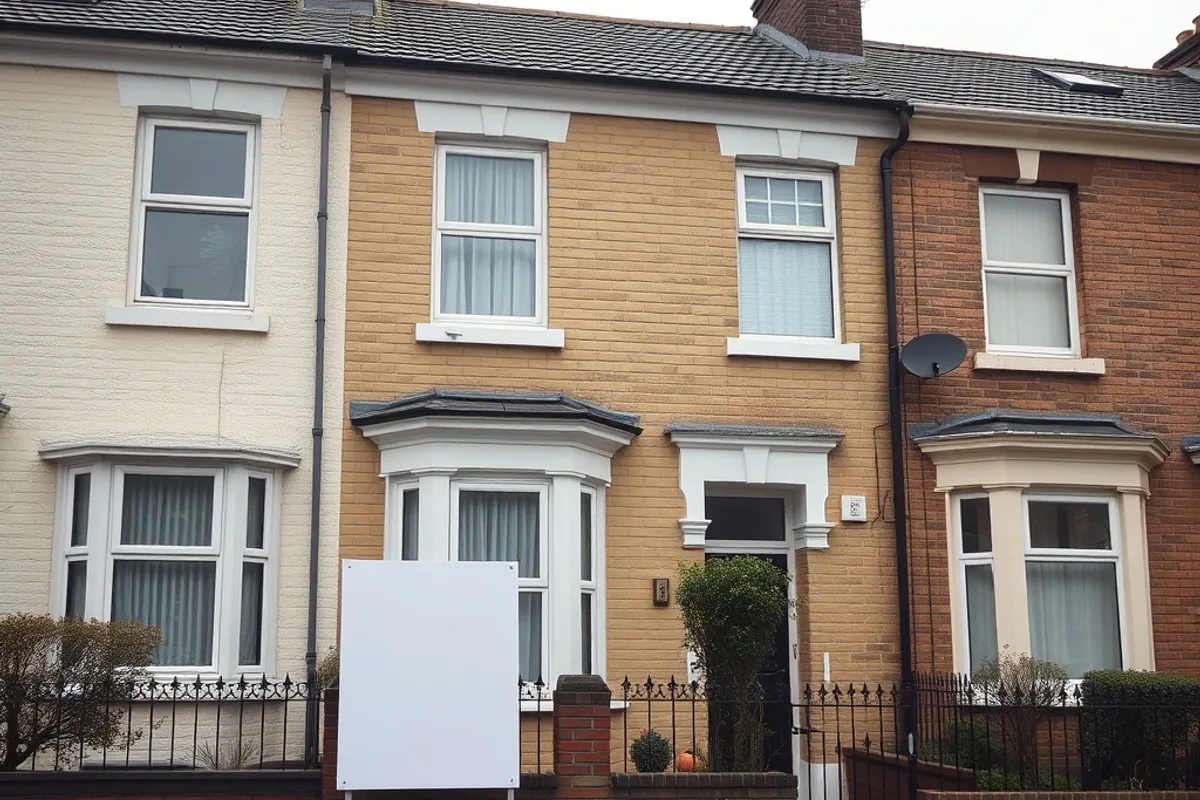
Housing deserves its own section because it is the cost that sets the ceiling on everything else. For owners with fixed-rate mortgages, the increase arrives at refinancing, often years after the headlines. For renters, it arrives at every renewal, and the negotiation window is short. For recent buyers, it arrived immediately and permanently.
The practical consequence is that housing inflation does not feel like inflation. It feels like a life decision. Families delay moving, take in lodgers, postpone a second child, or accept a longer commute. These responses rarely show up in the index. They show up in fertility rates, migration and the quiet arithmetic of who can afford to live near work.
There is no clever household hack for this. What helps is knowing your exposure before the renewal: the current market rent for a comparable home, the cost of moving, and the maximum increase you can absorb without changing something else. That number is your negotiating range. Without it, you are reacting to a letter rather than making a decision.
What families cut first
When budgets tighten, cuts follow a predictable order. Understanding the order explains why some households feel fine and others do not.
- Discretionary experiences. Restaurants, holidays, tickets and days out go first. They are easy to cancel and easy to postpone.
- Subscriptions and memberships. Small, automatic and socially low-cost to remove.
- Quality upgrades at the supermarket. Own-brand replaces branded, fresh replaces prepared, and waste becomes a budgeting problem.
- Maintenance and repair. The dangerous one. Delaying a service or a repair saves money this month and costs more later.
- Insurance and savings. The most damaging cut. Dropping cover or pausing a pension contribution fixes today and borrows from the future at a terrible rate.
The pattern is rational in the short term and expensive in the long term. A household that cancels a holiday is fine. A household that skips the boiler service, drops buildings cover and stops saving is building a bill it cannot see yet.
The new thrift is not austerity
The most useful financial skill of this decade is not frugality. It is noticing which costs are fixed, which are negotiable, and which are invisible.
There is a cultural temptation to moralise this moment, to treat budgeting as a character test. That framing is unhelpful. Most of the increase in household costs was not caused by individual behaviour, and most of it cannot be solved by individual behaviour. What individuals can do is manage the parts they control: renewals, recurring charges, energy contracts, debt structure and the timing of large purchases.
That is less satisfying than a manifesto and more useful than guilt. A two-hour annual review of the fixed costs in a household budget often finds more money than a year of skipping coffee. It is boring, repeatable and it compounds.

Why the official basket lags real life
Statistical agencies update their baskets slowly on purpose. Consistency matters: if the basket changed every month, the index would stop measuring inflation and start measuring something else. But slow updates mean the index can miss new costs that households adopted quickly, from cloud storage to pet insurance to the fees attached to almost every digital transaction.
The lag runs both ways. The index may overstate the experience of a household that does not buy the items that rose fastest, and understate it for a household that does. This is why two neighbours can both be right about the economy and disagree completely. They are living in different baskets.
What to watch next quarter
- Wage settlements. Real wages are recovering in some sectors and not others. The average hides the distribution.
- Insurance renewals. Premiums have been the quiet overperformer. Shop the policy, not just the price.
- Energy contracts. Fixed deals are returning. The cheapest option depends on how much risk you can carry.
- Rent arrears data. The earliest signal that household strain is becoming housing strain.
- Consumer credit. Rising balances on essentials, rather than discretionary spending, are the number to worry about.

The honest summary is uncomfortable. Inflation is no longer the emergency it was, but the repricing is permanent. Households are not waiting for prices to go back to 2019; they are rebuilding a budget around the world as it is now. The ones who do it deliberately, with a list of fixed costs and a calendar of renewals, will feel the next shock less. Not because they are richer, but because they are not surprised.