


The Future of Education: How Online Learning is Revolutionizing the Classroom
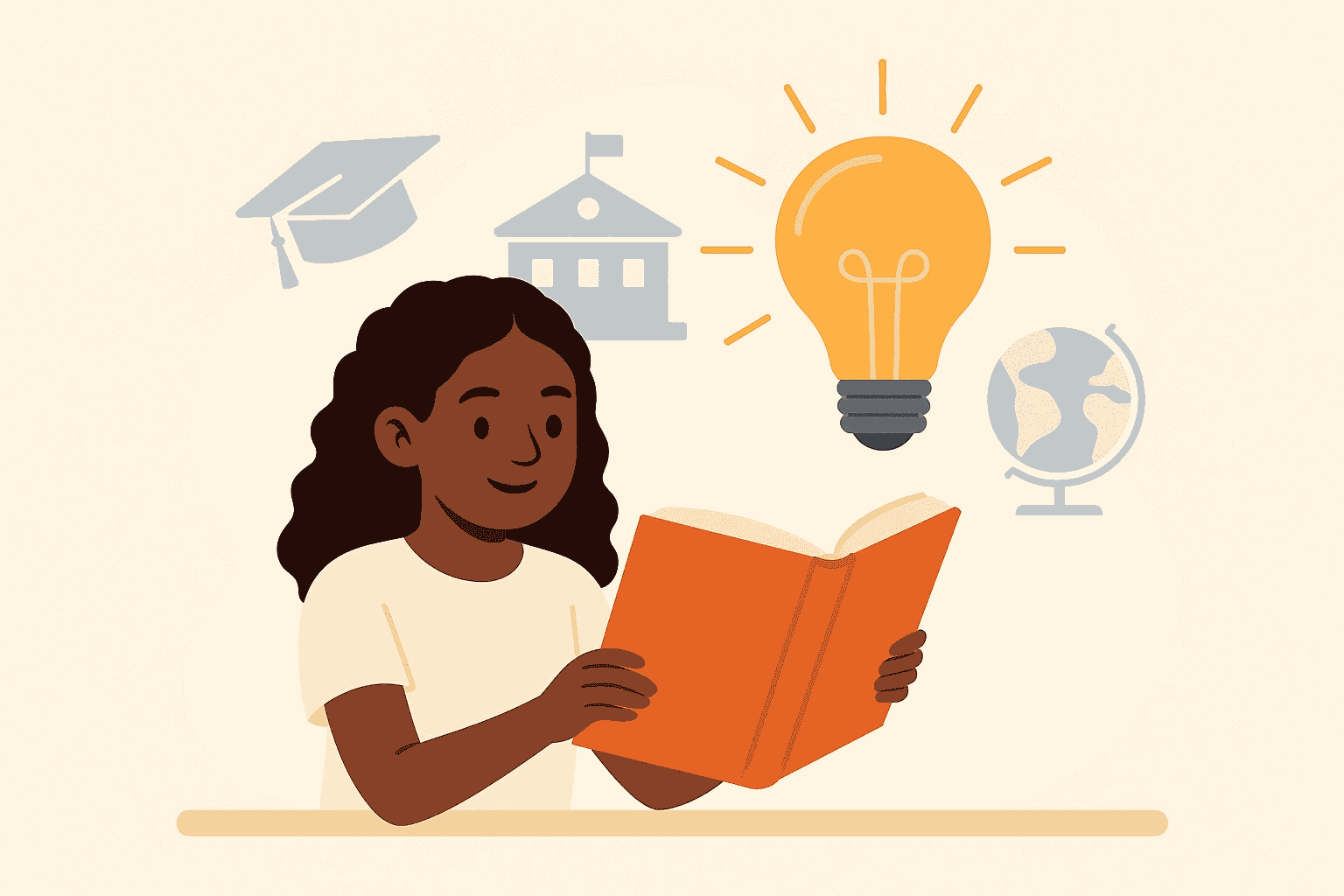
Education has always been a cornerstone of human progress, but the way we learn is undergoing a dramatic transformation. The rise of online learning is not just a fleeting trend—it is a fundamental shift in how knowledge is accessed, delivered, and absorbed. From K-12 classrooms to university lecture halls and corporate training programs, digital education is breaking down geographical barriers, personalizing learning experiences, and making education more inclusive than ever before. This revolution is reshaping the very foundations of the traditional classroom, paving the way for a future where learning is flexible, accessible, and tailored to individual needs.
The Digital Shift: Why Online Learning is Here to Stay
The COVID-19 pandemic acted as a catalyst, accelerating the adoption of online learning when physical classrooms became inaccessible. However, even before the global crisis, digital education was gaining momentum due to its inherent advantages. Schools and institutions that once relied solely on in-person instruction have now embraced hybrid and fully online models, recognizing their potential to enhance learning outcomes. The scalability of online platforms allows educators to reach students across continents, while asynchronous learning enables learners to study at their own pace without sacrificing other commitments. Unlike traditional education, which often follows a rigid schedule, online learning adapts to the learner’s lifestyle, making education a lifelong pursuit rather than a phase in life.
Moreover, the cost-effectiveness of digital education cannot be overstated. Online courses eliminate the need for physical infrastructure, reducing overhead expenses for institutions and making high-quality education more affordable for students. Platforms like Coursera, edX, and Khan Academy offer free or low-cost courses from top universities, democratizing access to knowledge that was once reserved for the privileged few. This shift is not just about convenience—it is about equity, ensuring that anyone with an internet connection can pursue their academic or professional goals.
Personalization and Adaptive Learning: The Power of AI in Education
One of the most groundbreaking aspects of online learning is its ability to personalize education through artificial intelligence (AI) and data analytics. Traditional classrooms often struggle to cater to diverse learning styles and paces, leaving some students behind while others feel unchallenged. Online platforms, however, leverage AI to analyze a learner’s performance, identify strengths and weaknesses, and adapt content accordingly. Adaptive learning systems, such as those used by Duolingo for language learning or DreamBox for mathematics, adjust difficulty levels in real-time, ensuring that each student receives a customized learning experience.
This level of personalization extends beyond academic content. AI-driven tutoring systems can provide instant feedback, answer questions outside of classroom hours, and even predict which topics a student might struggle with before they do. For educators, these tools offer invaluable insights into class performance, allowing them to intervene early and tailor their teaching strategies. The result is a more efficient and effective learning process where students are neither overwhelmed nor under-challenged. As AI continues to evolve, its role in education will only expand, making learning more intuitive and responsive to individual needs.
Breaking Barriers: Accessibility and Inclusivity in Online Education
The traditional classroom has long been criticized for its one-size-fits-all approach, which often excludes students with disabilities, those from low-income backgrounds, or individuals living in remote areas. Online learning is dismantling these barriers by providing tools and resources that cater to diverse needs. Closed captioning, screen readers, and adjustable text sizes make digital content more accessible to learners with visual or auditory impairments. Meanwhile, students in rural or underserved communities can access the same high-quality courses as their urban counterparts, thanks to the internet.
Inclusivity in education also extends to language diversity. Platforms like Rosetta Stone and Babbel offer language courses in multiple languages, breaking down linguistic barriers for non-native speakers. Additionally, online learning fosters a global classroom where students from different cultural backgrounds can collaborate, share perspectives, and learn from one another. This interconnectedness not only enriches the learning experience but also prepares students for a world where cross-cultural communication is increasingly vital. By prioritizing accessibility, online education is not just changing how we learn—it is redefining who can learn.
The Role of Educators: From Instructors to Facilitators
As online learning reshapes the educational landscape, the role of educators is evolving from traditional instructors to facilitators of knowledge. In a physical classroom, teachers often spend a significant amount of time delivering lectures, grading assignments, and managing behavioral issues. Online learning, however, shifts the focus from content delivery to mentorship, guidance, and support. Educators now curate resources, design interactive lessons, and foster discussions in virtual forums, acting as mentors rather than mere information providers.
This transformation also encourages a more collaborative approach to teaching. Platforms like Google Classroom and Microsoft Teams enable educators to share best practices, co-create lesson plans, and engage in professional development through online communities. Moreover, the rise of micro-credentials and digital badges allows teachers to continuously update their skills without the constraints of traditional professional development programs. By embracing technology, educators can focus on what they do best: inspiring and motivating students to think critically and creatively.
Challenges and Considerations: The Flip Side of Online Learning
Despite its many advantages, online learning is not without its challenges. One of the most significant hurdles is the digital divide—the gap between those who have access to technology and those who do not. While urban areas and developed countries may enjoy high-speed internet and devices like laptops or tablets, rural communities and low-income households often lack these resources. This disparity can exacerbate educational inequalities, leaving some students at a disadvantage. Addressing this issue requires investment in infrastructure, affordable internet access, and device distribution programs to ensure that no learner is left behind.
Another challenge is the lack of social interaction, which is a critical component of traditional education. The absence of face-to-face engagement can lead to feelings of isolation, reduced motivation, and weaker communication skills. While virtual classrooms and discussion forums attempt to replicate social learning, they often fall short of the spontaneous interactions and emotional connections that occur in physical spaces. Educators must find creative ways to foster community in online settings, whether through group projects, virtual study groups, or synchronous video sessions.
Additionally, concerns about data privacy and security have emerged as online learning becomes more prevalent. Educational platforms collect vast amounts of data on students, from their learning patterns to personal information. Ensuring that this data is protected from breaches or misuse is a paramount responsibility for institutions and ed-tech companies. Implementing robust cybersecurity measures, transparent data policies, and parental controls can help mitigate these risks and build trust in online learning systems.
The Future is Hybrid: Blending Online and Traditional Learning
Rather than replacing traditional education entirely, the future of learning lies in a hybrid model that combines the best of both worlds. Blended learning integrates online resources with in-person instruction, allowing students to benefit from the flexibility of digital platforms while still enjoying the social and hands-on aspects of traditional classrooms. For example, a biology class might use an online simulation to explore cellular processes before conducting a lab experiment in person. This approach not only enhances engagement but also caters to different learning preferences.
Hybrid learning also opens up opportunities for experiential education. Virtual reality (VR) and augmented reality (AR) are emerging as powerful tools in fields such as medicine, engineering, and architecture, where students can practice skills in immersive, risk-free environments. Imagine medical students performing virtual surgeries or architecture students walking through a 3D model of their designs—these technologies are making complex concepts tangible and interactive. As VR and AR become more accessible, they will further blur the lines between online and offline learning, creating a truly immersive educational experience.
Preparing Students for an AI-Driven World
The rapid advancement of technology means that today’s students must be equipped with skills that go beyond rote memorization. Online learning plays a crucial role in fostering 21st-century competencies such as critical thinking, problem-solving, digital literacy, and adaptability. Platforms like Codecademy and Scratch teach coding in an interactive, gamified manner, preparing students for careers in a tech-driven economy. Meanwhile, online courses in soft skills, such as communication and leadership, help learners develop the interpersonal abilities needed in a collaborative work environment.
Furthermore, online learning encourages self-directed learning—a skill that is increasingly important in a world where continuous upskilling is necessary to stay relevant. Platforms like LinkedIn Learning and Udemy offer courses on trending topics, allowing professionals to keep their skills up-to-date without the constraints of a formal degree program. By teaching students how to learn independently, online education is not just preparing them for exams—it is preparing them for life in an ever-changing world.
Conclusion: Embracing the Educational Revolution
The future of education is not a distant dream—it is unfolding before our eyes. Online learning has revolutionized the classroom by making education more accessible, personalized, and adaptable than ever before. While challenges such as the digital divide and data privacy must be addressed, the benefits far outweigh the drawbacks. As technology continues to advance, the lines between online and traditional education will continue to blur, creating a dynamic and inclusive learning ecosystem.
For educators, students, and policymakers, the key to success lies in embracing this transformation. Institutions must invest in robust digital infrastructure, train educators in new teaching methodologies, and ensure that online learning remains inclusive and equitable. Students, on the other hand, must cultivate self-discipline, curiosity, and a growth mindset to thrive in this new era. Ultimately, the revolution in education is not just about changing how we learn—it is about empowering individuals to unlock their full potential and shape a better future for all.








Leave a Reply