


Navigating the Chaos: Decoding Today’s Global Current Affairs
In an era marked by rapid technological advancements, shifting geopolitical alliances, and persistent social upheavals, understanding today’s global current affairs feels like trying to navigate a storm without a compass. The interconnectedness of modern challenges—whether climate change, economic instability, or conflict—demands a nuanced approach to analysis. Rather than seeing these complexities as obstacles, they present an opportunity to develop deeper insights into the forces shaping our world. This article explores the key themes dominating global discourse, offering clarity amidst the noise and actionable perspectives for readers seeking to make sense of today’s turbulent landscape.
The Interconnected Web of Global Challenges
Few issues exist in isolation anymore. The global stage is a complex web where a decision in one region can ripple across continents. Climate change, for instance, is not just an environmental crisis but an economic and humanitarian one. Rising sea levels threaten coastal cities, while extreme weather events disrupt food supplies and displace millions. According to the United Nations, over 20 million people are displaced each year due to climate-related disasters. This interconnectedness extends to technology as well. The rapid spread of misinformation online, fueled by social media algorithms, has eroded trust in institutions and deepened societal divisions worldwide.
Similarly, economic instability in one major economy can trigger recessions globally. The COVID-19 pandemic demonstrated how a health crisis could halt global supply chains, leading to shortages, inflation, and widespread unemployment. Governments responded with unprecedented fiscal stimulus, but these measures also contributed to rising national debts and inflationary pressures. Today, the world grapples with the aftermath, as central banks like the U.S. Federal Reserve and the European Central Bank navigate the delicate balance between curbing inflation and avoiding economic contraction.
Geopolitical Shifts: The New Power Dynamics
The global order is undergoing a profound transformation. For decades, the United States and its Western allies dominated the geopolitical landscape. However, the rise of China, Russia’s assertive foreign policy, and the growing influence of regional powers like India, Saudi Arabia, and Turkey are reshaping alliances. The war in Ukraine, now in its third year, has become a focal point of this shift. It has not only redefined European security but also highlighted the fragility of global institutions like the United Nations, which have struggled to mediate the conflict effectively.
Meanwhile, the competition between the U.S. and China intensifies across multiple domains. The South China Sea remains a flashpoint, with China’s territorial claims clashing with those of neighboring countries. The U.S., in response, has strengthened alliances in the Indo-Pacific, such as through the AUKUS pact with Australia and the UK. This new Cold War-like rivalry extends into technology, with both nations vying for dominance in artificial intelligence, semiconductors, and 5G networks. The recent U.S. restrictions on semiconductor exports to China underscore how technology has become a critical battleground in geopolitical conflicts.
Social Movements and the Fight for Democracy
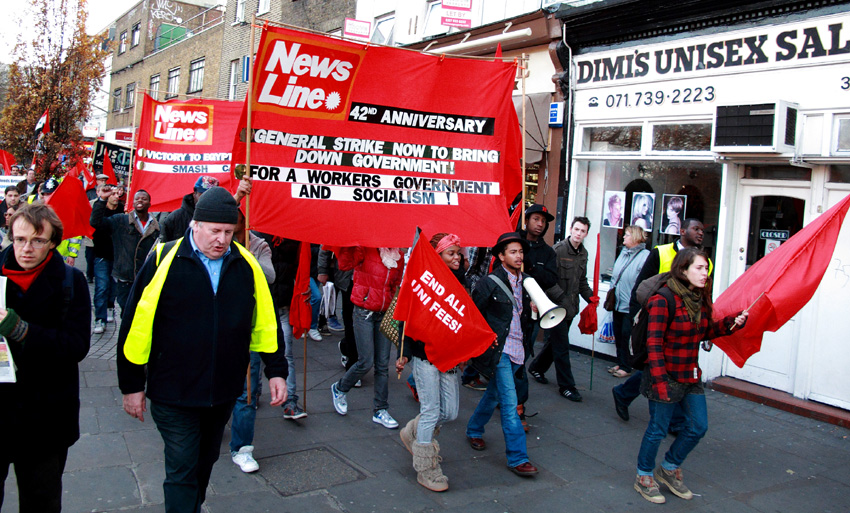
Amid geopolitical tensions, social movements continue to challenge the status quo. From the protests in Iran against mandatory hijab laws to the pro-democracy demonstrations in Hong Kong and the Black Lives Matter movement in the U.S., people worldwide are demanding accountability, equity, and justice. These movements, amplified by social media, have forced governments to respond, sometimes with repression and sometimes with reform. For example, the Arab Spring of 2011, though initially promising, led to mixed outcomes, with some nations achieving democratic transitions while others descended into prolonged conflict.
In 2024, the world is witnessing a resurgence of democratic struggles. In India, protests against new citizenship laws and labor reforms reflect ongoing tensions between civil society and the government. Meanwhile, in Latin America, countries like Argentina and Brazil have seen political shifts as voters express dissatisfaction with economic stagnation and corruption. These movements highlight the tension between rapid modernization and traditional values, as well as the role of digital platforms in mobilizing dissent. However, they also underscore the risks of polarization, as misinformation and foreign interference threaten to undermine the integrity of these movements.
Economic Uncertainty: Inflation, Debt, and Inequality
The global economy remains fragile, caught between post-pandemic recovery and new crises. Inflation, which soared in 2022 and 2023, has eased in some regions but remains stubbornly high in others, such as in the Eurozone. Central banks have raised interest rates aggressively to combat inflation, but this has led to higher borrowing costs for businesses and households, stifling growth. Developing nations, already burdened by debt, face additional challenges as global financial conditions tighten. The International Monetary Fund (IMF) has warned that nearly 60% of low-income countries are at high risk of or already in debt distress.
Inequality continues to widen, both within and between nations. The pandemic exacerbated existing disparities, with the wealthiest individuals and corporations amassing record profits while vulnerable populations struggled to recover. The World Inequality Database estimates that the top 10% of global earners now own 52% of the world’s wealth. This economic divide fuels social unrest and political instability. Governments are under pressure to address these inequities, but policy responses often fall short due to ideological differences or lack of political will. The rise of populist leaders in countries like the U.S., Italy, and the Philippines reflects public frustration with traditional economic policies.
The Role of Technology in Shaping the Future
Technology is both a catalyst for progress and a source of disruption. Artificial intelligence (AI), for instance, promises to revolutionize industries from healthcare to finance but also raises ethical concerns about job displacement and algorithmic bias. The rapid development of generative AI tools like ChatGPT has sparked debates about regulation, intellectual property, and the future of work. Governments are scrambling to establish frameworks to govern AI, with the European Union leading the way with its AI Act, which aims to classify AI systems by risk level and impose strict regulations on high-risk applications.
Beyond AI, other technologies are reshaping global dynamics. Quantum computing, though still in its infancy, threatens to render current encryption methods obsolete, posing risks to cybersecurity. Meanwhile, the metaverse—a virtual reality space where users can interact—is gaining traction as companies explore new ways to engage consumers and employees. However, these advancements also raise questions about privacy, digital sovereignty, and the digital divide. As technology becomes more ingrained in daily life, the need for ethical frameworks and inclusive policies grows more urgent.
Looking Ahead: Strategies for Navigating the Chaos
So, how can individuals and policymakers navigate this complex landscape? First, education and critical thinking are essential. In an era of information overload, discerning credible sources from misinformation is crucial. Fact-checking initiatives, media literacy programs, and transparent journalism play vital roles in fostering informed decision-making.
Second, international cooperation remains indispensable. While nationalism and protectionism are on the rise, global challenges like climate change, pandemics, and cybersecurity threats require collaborative solutions. The Paris Agreement on climate change, despite its flaws, demonstrates what can be achieved through multilateralism. Similarly, initiatives like the COVAX program, which aimed to distribute COVID-19 vaccines globally, highlight the importance of solidarity in crisis response.
Third, investing in resilience is key. Whether at the individual, community, or national level, building adaptive capacity can mitigate the impact of crises. This includes diversifying supply chains, strengthening social safety nets, and fostering inclusive economic growth. For example, countries that prioritized renewable energy investments before the pandemic were better positioned to weather energy price shocks during the crisis.
Finally, fostering empathy and understanding across cultures and borders can reduce polarization and build bridges in a fractured world. Dialogue, cultural exchange, and people-to-people connections can counteract the divisive narratives that fuel conflicts. Initiatives like citizen diplomacy and grassroots movements play a vital role in promoting peace and cooperation.
Conclusion: Turning Challenges into Opportunities
The world today is undeniably complex, but complexity does not equate to hopelessness. By understanding the interconnected nature of global challenges, we can identify opportunities to drive positive change. Whether through advocacy, innovation, or policy reform, each individual has a role to play in shaping a more equitable and sustainable future. The chaos of today’s global affairs is not just a problem to be managed—it is a call to action for those willing to decode its patterns and contribute meaningfully to the solutions.





Leave a Reply