

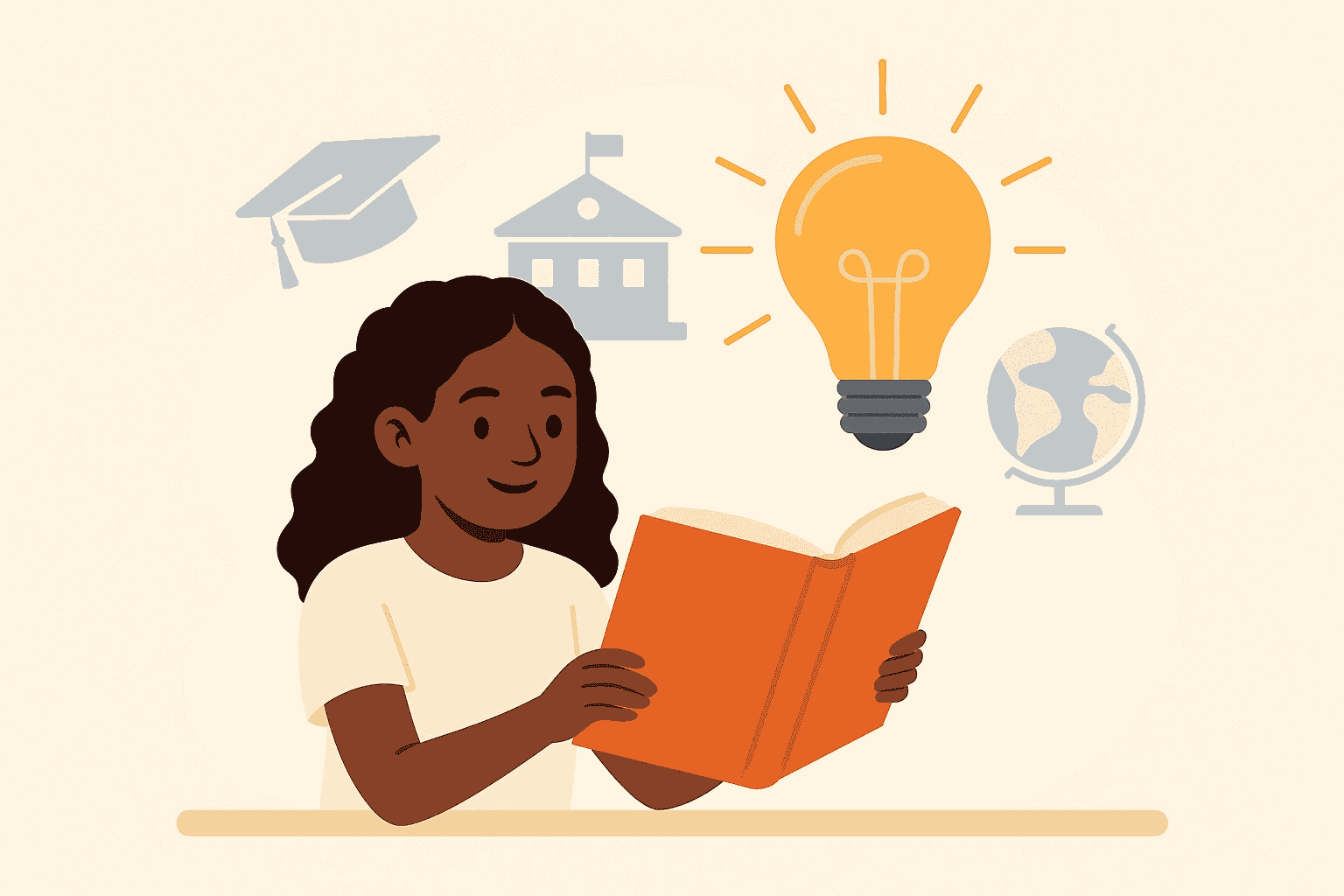
In classrooms filled with curiosity and youthful excitement, students are discovering new ways to connect with learning through invigorating concepts often described as knowledge jumps education that spark imagination and ignite enthusiasm. These jumps operate like bursts of insight, helping learners move swiftly from confusion to clarity. The experience feels refreshing. It encourages students to embrace complex material with unexpected joy.
Energizing the Learning Atmosphere
Modern learning environments thrive when they cultivate a lively academic spirit. Short bursts of activity followed by longer reflective segments create a cadence that keeps students engaged. A quick challenge can activate cognitive energy, while an extended exploration invites deeper comprehension. This interplay creates a dynamic atmosphere where curiosity grows naturally. Students become eager participants, ready to uncover new discoveries at every turn.
Technology Elevating Understanding
Digital tools enrich learning by offering interactive avenues that heighten comprehension. Platforms that track progress allow students to see their development in real time. Simulations provide experiential clarity by turning abstract ideas into visible patterns. Interactive quizzes introduce variety and spark amusement. These technologies amplify learning by giving students the opportunity to explore at their own pace while enjoying the process. The classroom becomes a space where technology and curiosity work in tandem.
Playful Cognitive Engagement
Incorporating play into academic routines makes learning feel less intimidating. Short games sharpen reaction skills. Strategic puzzles stimulate analytical reasoning. Creative challenges evoke imagination. These playful elements enhance motivation and help students absorb information with greater ease. When learners feel relaxed and amused, they tend to retain concepts more effectively. Playfulness fosters resilience by transforming mistakes into stepping stones.
Collaborative Sparks Building Confidence
Working together encourages students to express their thoughts openly and refine ideas collectively. A group conversation might begin with a single question but evolve into a rich dialogue filled with multiple perspectives. Peer guided activities nurture confidence as students practice negotiation, communication, and synthesis. Longer group projects strengthen teamwork, while shorter interactions reinforce quick thinking. Collaboration makes the learning journey more vibrant and socially engaging.
Creative Integration Stimulating Insight
Blending creativity with academic content deepens understanding and inspires original thinking. A lesson in mathematics might incorporate visual artistry. A history lesson could expand through narrative interpretation. A science unit may invite students to construct imaginative models. This integration encourages learners to view knowledge as dynamic and interconnected. Their insights expand as they approach subjects through both analytical and expressive lenses.
Real World Relevance Encouraging Curiosity
Students are more eager to learn when academic concepts connect to real experiences. Examining local ecosystems brings environmental science to life. Analyzing community challenges contextualizes social studies. Observing market trends clarifies economic principles. These real world connections reinforce purpose. They make material feel relatable and meaningful, encouraging students to investigate topics more thoroughly and with genuine interest.
Spatial Design Supporting Engagement
Physical learning environments contribute directly to student focus and enthusiasm. Flexible seating arrangements allow students to shift between collaborative zones and quiet study areas. Soft seating corners encourage introspection, while resource stations offer easy access to reference materials. Spacious layouts promote movement, which revives attention during longer lessons. Thoughtfully designed spaces nurture comfort, reduce cognitive fatigue, and promote steady engagement.
Interdisciplinary Pathways Enhancing Discovery
When disciplines are interwoven, students develop a richer understanding of complex topics. A project might integrate scientific observation with artistic representation and linguistic explanation. This interdisciplinary approach broadens perspective. It invites students to examine subjects from multiple angles, strengthening conceptual agility. Their reasoning becomes more sophisticated as they connect ideas across domains.
Diverse Assessment Inspiring Growth
A variety of assessment methods supports the development of multiple strengths. Reflective journals promote introspection. Presentations showcase articulate expression. Hands on projects reveal innovative problem solving. Short quizzes track immediate retention, while extended assignments uncover deeper mastery. This balanced system encourages continuous improvement without overwhelming pressure. Students learn to appreciate their own progression and feel motivated to advance further.
Mentorship Guiding Academic Exploration
Supportive guidance from educators enhances confidence and fosters intellectual courage. Mentors ask thought provoking questions, offer constructive suggestions, and celebrate effort. This encouragement helps students view challenges as opportunities. They learn to navigate uncertainty with determination. As mentorship nurtures curiosity, students embrace academic exploration with renewed enthusiasm and trust in their abilities.
Community Connection Expanding Horizons
Partnerships with organizations and local groups expose students to authentic learning encounters. Field observations, collaborative service activities, and interviews with professionals broaden academic relevance. These experiences illuminate how knowledge influences the world, inspiring learners to imagine future roles they may pursue. Real world engagement enriches academic content and strengthens long term aspirations.









Leave a Reply