

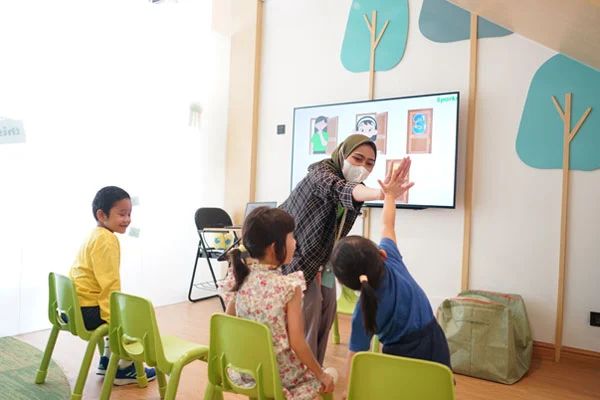
In learning environments filled with curiosity, teens are experiencing invigorating shifts that encourage deeper engagement and personal discovery, often inspired by fresh education sparks that ignite new ways of thinking. These sparks cultivate enthusiasm, promote intellectual bravery, and help students navigate the complexities of modern information landscapes with confidence. The atmosphere feels vibrant, inviting learners to experiment with ideas and follow pathways that resonate with their unique aspirations.
Dynamic Learning Pathways
Teens thrive when exposed to learning experiences that feel both relevant and stimulating. Modern classrooms are moving toward more fluid structures that blend guided instruction with autonomous exploration. A short prompt might lead to a spirited discussion. A longer project might challenge students to gather insights from multiple sources. This rhythm of alternating durations strengthens adaptability. It also encourages students to cultivate analytical stamina and creative intuition. Each learning sequence becomes an avenue for discovery rather than a routine obligation.
Technology Infusing Academic Momentum
Digital advancements continue to elevate teen learning with remarkable precision. Adaptive platforms assess individual strengths, track progress, and suggest tailored pathways that support consistent improvement. These tools offer immediate feedback, which helps teens correct misconceptions before they become barriers. Multimedia resources introduce lessons through immersive experiences that clarify difficult concepts. Videos, interactive modules, and virtual environments transform abstract ideas into tangible representations that resonate with youthful imagination. Technology broadens the terrain of possibility, motivating learners to take intellectual risks.
Collaborative Exploration Strengthening Social Fluency
Interactive peer learning encourages teens to articulate ideas, negotiate meaning, and refine communication skills. Short brainstorming sessions spark creativity. Extended group projects nurture patience, teamwork, and problem solving. These interactions help students practice real world competencies in supportive settings. They learn to evaluate perspectives with openness and synthesize insights collaboratively. The classroom becomes a microcosm of society, preparing teens for future endeavors that rely heavily on cooperation and thoughtful dialogue.
Creative Expression as an Academic Catalyst
Artistic approaches enhance engagement by inviting teens to express their interpretations through varied mediums. A science concept might inspire an illustrated diagram. A historical theme might evolve into a dramatic performance. A mathematics lesson might be reinforced through pattern exploration. This fusion of creativity with academic content strengthens retention. It also promotes a sense of ownership, as students use personal expression to internalize information. Creative choice elevates motivation, transforming learning into an enjoyable pursuit.
Real World Integration Nurturing Relevance
Teens respond enthusiastically to content that connects with everyday life. Practical applications anchor theoretical knowledge in familiar contexts. Environmental studies gain meaning when linked to local ecosystems. Economic principles become clearer when analyzed through community examples. Societal issues inspire thoughtful reflection when discussed through relatable scenarios. These connections bring clarity and purpose to academic concepts, demonstrating how knowledge influences daily decision making and long term aspirations.
Physical Spaces Supporting Cognitive Comfort
Learning environments play a crucial role in shaping teen engagement. Flexible layouts encourage mobility, collaboration, and individual focus when needed. Soft seating areas provide comfort for reading and reflection. Open zones support group interaction. Resource stations supply immediate access to materials that enrich inquiry. These spatial configurations reduce cognitive strain and increase attentiveness. When teens feel comfortable, they are more inclined to participate actively and explore content with curiosity.
Interdisciplinary Threads Building Holistic Understanding
Blending disciplines allows teens to perceive knowledge as interconnected rather than isolated. A single theme might involve scientific reasoning, literary interpretation, and numerical analysis. This holistic approach deepens comprehension and stimulates versatile thinking. Teens learn to draw parallels across subjects, strengthening their conceptual flexibility. Interdisciplinary projects foster innovative reasoning, as students apply insights from one domain to illuminate another.
Expansive Assessment Strategies
Assessment techniques are evolving to capture a broader spectrum of student abilities. Reflective writing encourages introspection. Presentations showcase verbal clarity. Design prototypes demonstrate inventive problem solving. These varied formats highlight different strengths, giving teens multiple avenues to express understanding. Short assessments help track incremental progress, while comprehensive tasks reveal deeper mastery. This balanced system validates effort and promotes steady development without unnecessary pressure.
Mentorship and Guidance Elevating Confidence
Supportive mentorship reinforces academic and emotional growth. Educators guide teens by offering constructive feedback, posing thoughtful questions, and fostering an atmosphere of encouragement. When teens feel recognized and valued, their confidence flourishes. They become more willing to experiment, ask questions, and engage in intellectual challenges. Guidance becomes a cornerstone of their growth, helping them cultivate resilience and self assurance.
Community Connections Expanding Horizons
Partnerships with local organizations, professionals, and educational institutions enrich learning with meaningful experiences. Teens might participate in volunteer programs, observe real world problem solving, or collaborate on community projects. These opportunities provide perspective. They reveal how knowledge shapes the world beyond the classroom and inspire teens to envision their future contributions. The interplay between academic study and community involvement strengthens purpose and broadens ambition.









Leave a Reply